
What Pet Essentials Do New Dog Owners Need?
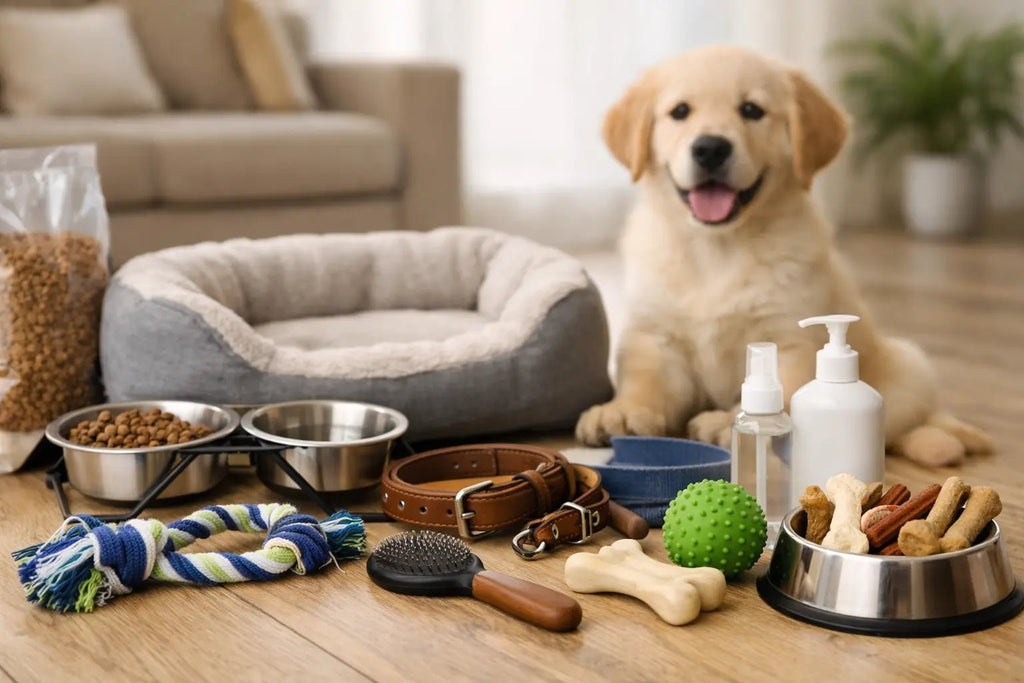
The first few days with a new dog are a mix of excitement, adorable chaos, and one big question: what pet essentials do new dog owners need to feel ready from day one? It is easy to overbuy the cute stuff and miss the basics your dog will actually use every single day. A good setup does not need to be fancy, but it does need to cover comfort, safety, feeding, sleep, walks, and a little healthy fun.
If you are bringing home a puppy, a rescue, or an older dog, the smartest approach is to start with the items that make daily life easier for both of you. Once those are covered, you can add extras based on your dog’s size, breed, coat, energy level, and personality.
What pet essentials do new dog owners need first?
Start with the everyday basics your dog cannot do without. That usually means food and water bowls, a collar, an ID tag, a leash, a comfortable bed, age-appropriate food, and a few safe toys. These are the items that turn your home into a dog-ready home.
A lot of first-time owners assume they need a huge shopping haul before their dog arrives. In reality, a smaller, well-chosen set of essentials works better than a pile of products your dog may never like. Dogs have preferences too. One may ignore a plush bed and sleep on a blanket. Another may love chew toys but never touch a squeaky one. Starting with reliable basics keeps things simple and budget-friendly.
Feeding essentials that support health and routine
Food is one of the first places where quality and practicality matter. Your dog needs food that matches their life stage. Puppies need puppy food, adults need adult formulas, and senior dogs may need a diet tailored to aging joints or digestion. If you are switching from the food your dog was eating before, do it gradually to help avoid stomach upset.
You will also need sturdy food and water bowls. Stainless steel is a popular choice because it is durable, easy to clean, and less likely to hold odors. Bowl size matters too. A tiny bowl is frustrating for a large dog, while a giant bowl can be awkward for a small one.
Treats are useful from the beginning, but they should have a job. They can help with training, bonding, and redirecting nervous energy. The trade-off is that treats add calories fast, especially for small dogs, so it helps to choose simple, bite-sized options and use them intentionally.
Sleep and comfort essentials for settling in
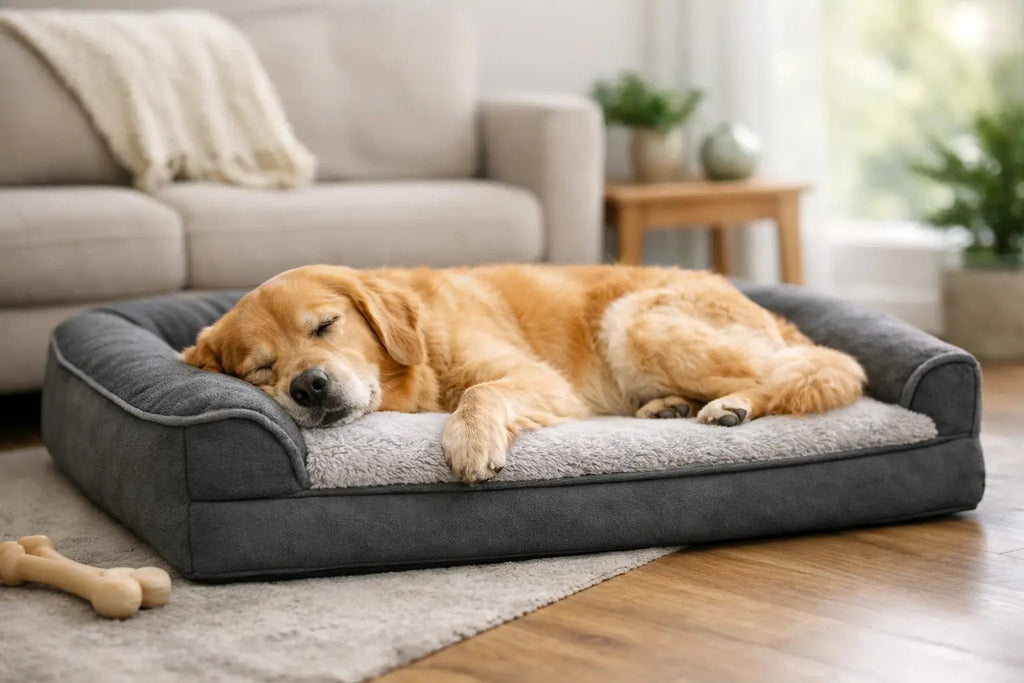
A dog bed is not just a nice extra. It gives your dog a place to rest, feel secure, and learn where to settle. For new dogs, especially rescues adjusting to an unfamiliar home, that dedicated comfort spot can make a real difference.
The right bed depends on your dog. Puppies may chew softer beds, so a durable option may be smarter at first. Older dogs often benefit from more cushion and support. If your dog likes to stretch out, go larger. If they like to curl up, a cozier shape may feel better.
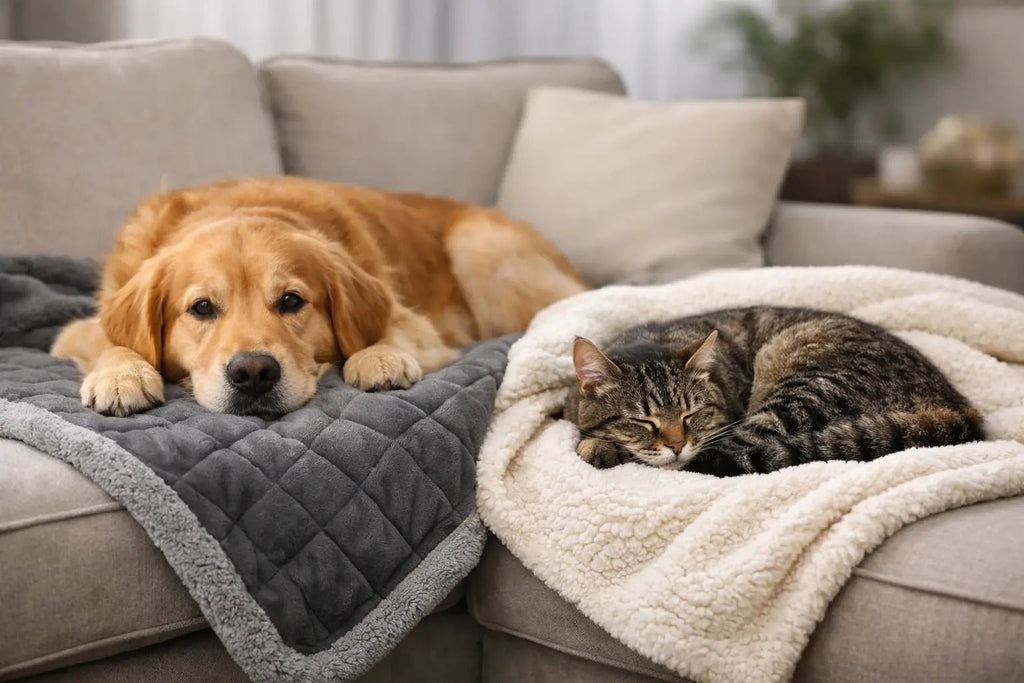
Blankets are another simple essential that new owners often appreciate quickly. They can make crates and beds more inviting, protect furniture, and give your dog a familiar scent as they adjust. Comfort does not have to be complicated. Often, a soft bed and a washable blanket go a long way.
Walking and safety gear you will use every day
If you are asking what pet essentials do new dog owners need for daily life, walking gear belongs near the top. At minimum, you need a properly fitted collar or harness, a leash, and identification.
A collar with an ID tag is important even for indoor dogs. Doors get left open. Leashes slip. Dogs get startled. Quick identification helps your dog get home faster if something unexpected happens.
The collar-versus-harness question depends on the dog. Small dogs, pullers, and dogs with delicate necks often do better in a harness. A standard collar may be fine for calm walkers, but fit matters more than style. You should be able to slide two fingers under it without it being too loose.
Leash choice matters too. For most new dog owners, a standard leash is the easiest and safest option. Retractable leashes can seem convenient, but they are not ideal for training or crowded areas. They can encourage pulling and reduce control when you need it most.
Toys that prevent boredom and bad habits
A bored dog will usually find their own entertainment, and that can mean chewed shoes, torn pillows, or nonstop barking. Toys are not about spoiling your dog. They help satisfy natural chewing, chasing, and play instincts in a healthy way.
It is smart to start with a small mix: one chew toy, one soft toy, and one interactive toy. This lets you learn what your dog enjoys without overspending. Some dogs are gentle with toys, while others destroy them in minutes. That is why durability should matter as much as cuteness.
Puppies, in particular, need safe chewing outlets while teething. Adult dogs may benefit from toys that keep their minds busy, especially if they are home alone for stretches of the day. The best toy is the one your dog actually uses, and that sometimes takes a little trial and error.
Cleaning and home care essentials nobody talks about enough
Every new dog owner thinks about the fun parts first. Fewer think about muddy paws, shedding, accidents, and odor control. That changes fast.
Poop bags are a non-negotiable daily essential if you will be walking your dog. Pet-safe cleaning spray is another must, especially during the adjustment period when accidents are more likely. Even well-trained dogs can have stress-related mishaps in a new home.
Depending on your dog’s coat, basic grooming supplies may also belong on your first shopping list. A brush, gentle shampoo, and a towel dedicated to dog cleanups can save a lot of stress later. Short-haired dogs may need very little grooming, while long-haired breeds need more regular upkeep. This is one of those areas where it really depends on the dog.
Should new dog owners buy a crate?
For many homes, yes. A crate can be one of the most useful essentials you buy, especially for puppies and newly adopted dogs. It helps with house training, supports routine, and gives your dog a quiet place to decompress.
That said, a crate is only helpful when used properly. It should never feel like punishment. The right crate is large enough for your dog to stand, turn around, and lie down comfortably, but not so large that house training becomes harder.
Some dogs settle into a crate quickly. Others need time and positive reinforcement. If your dog has severe crate anxiety, forcing it can backfire. In that case, a playpen or gated area may work better while you build confidence.
Nice-to-have items versus true must-haves
This is where many first-time owners overspend. Cute outfits, decorative accessories, and trendy gadgets can be fun, but they are not the starting point. Focus first on what supports your dog’s daily comfort, health, and safety.
Clothes can be useful for some dogs, especially very small breeds, short-haired dogs, or pets in colder climates. But not every dog needs a sweater. The same goes for specialty accessories. If it solves a real problem, it may be worth it. If it just looks adorable, it can probably wait.
A value-first approach usually works best. Buy the essentials your dog will use every day, then upgrade or add extras once you know their habits. That is often the easiest way to avoid waste while still giving your pet a happy, comfortable start.
Building your first dog setup without overbuying
A smart first setup should feel complete, not crowded. If you cover feeding, sleep, walking, identification, play, and cleanup, you are in a strong place. From there, you can fine-tune based on what your dog responds to.
Many pet parents find that shopping from one trusted place makes the process easier. Stores like Souths Pet Supplys are built around those practical daily needs, which helps take some of the guesswork out of getting started. When quality, comfort, and price all matter, that kind of simplicity is a big win.
Your dog does not need a perfect home on day one. They need a safe one, a comfortable one, and a caring one. Start with the basics that support everyday life, pay attention to what your dog actually needs, and let the rest come together one happy routine at a time.
Related post
15
Jul
13
Jul
