
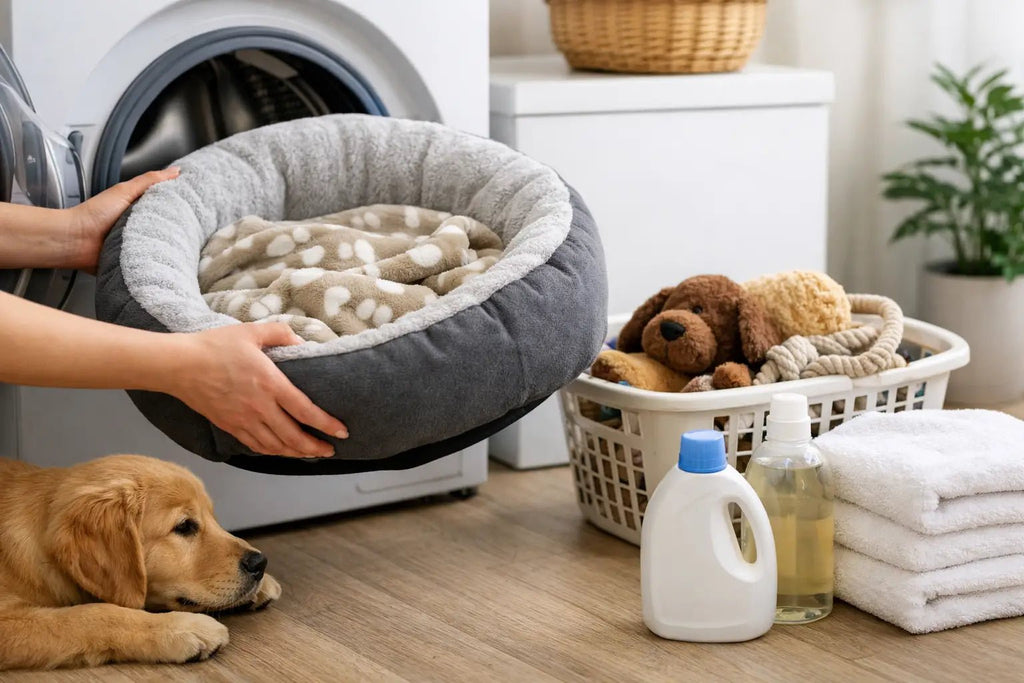
How to Wash Pet Bed the Right Way
That dog bed in the corner might look fine at a glance, but once the fur, drool, dirt, and mystery smells build up, your pet is sleeping in more grime than comfort. If you have been wondering how to wash pet bed materials without ruining the shape, softness, or fill, the good news is that most beds can be cleaned well at home with a little prep and the right method.
A clean bed does more than make the room smell better. It helps cut down on pet dander, everyday allergens, and bacteria from muddy paws, accidents, and outdoor play. For pets with sensitive skin or seasonal itching, washing their bed regularly can make a real difference in day-to-day comfort.
How to wash pet bed without damaging it
Before you do anything, check the care tag. That small label matters more than people think. Some pet beds have removable machine-washable covers, while others need spot cleaning, hand washing, or air drying only. If the tag is missing, start gentle. Warm water, mild detergent, and low heat are usually the safest options.
The next step is getting rid of as much loose fur and debris as possible. Shake the bed outside if you can. Then use a vacuum, lint roller, or even a rubber glove to pull off hair that would otherwise clog your washer. This part feels small, but it makes the whole wash more effective.
If the bed has a removable cover, unzip it and wash the cover separately from the insert when possible. That gives both pieces a better clean and reduces strain on your machine. If the cover is the only part that smells or looks dirty, you may not need to wash the entire bed every time.
Start with stains and strong odors
Some pet beds need more than a basic wash cycle. If you are dealing with urine, drool buildup, muddy spots, or oily patches, pre-treating is worth it.
Blot fresh accidents first. Do not rub them deeper into the fabric. Then use a pet-safe stain remover or a small amount of mild detergent mixed with water. Let it sit for 10 to 15 minutes before washing. For stubborn odor, a short soak can help, especially on removable covers. Just avoid using anything too heavily scented, since many pets are sensitive to strong fragrances.
It also helps to know when a smell is a washing issue and when it is a replacement issue. If the fill inside the bed has absorbed repeated accidents over time, washing may improve it but not fully fix it. At that point, replacing the insert or the whole bed can be the cleaner and more practical choice.
Machine washing a pet bed
If the bed or cover is machine washable, use a gentle or normal cycle with warm water unless the label says otherwise. Mild, fragrance-free detergent is usually the best pick. Harsh cleaners can irritate your pet's skin and may wear out fabric faster.
Skip bleach unless the manufacturer clearly says it is safe. It can break down fibers and leave behind residues you do not want near your pet's face and paws. Fabric softener is also not ideal. It may leave a coating on the fabric that traps smells over time instead of helping.
For larger beds, check your washer size before forcing it in. An overloaded machine does not clean well, and it can throw your washer off balance. If the bed is too bulky, a trip to a laundromat with a larger machine may be easier and safer than trying to squeeze it into a home washer.
Washing two pet items together, like a bed cover and blanket, can work if the load is not too full. But avoid mixing pet bedding with your regular clothes or kitchen linens. Keeping pet laundry separate feels a little more organized and a lot more hygienic.
Hand washing delicate or oversized beds
Not every bed belongs in the washer. Foam inserts, structured beds, and extra-large loungers often hold up better with hand washing.
Fill a tub or large basin with warm water and a small amount of mild detergent. Press the bed or insert into the water so the soap moves through the fabric and filling. Focus on soiled areas with a soft cloth or sponge. Then rinse thoroughly until the water runs clear.
The biggest challenge with hand washing is getting all the soap back out. Any leftover detergent can make the bed stiff, attract dirt faster, or bother your pet's skin. Take your time here. A rushed rinse is one of the main reasons a freshly cleaned bed still does not feel quite right.
Drying matters more than most people expect
A pet bed that is only partly dry can start smelling musty fast. It can also trap moisture deep inside the filling, which is not great for cleanliness or comfort.
If the care tag allows machine drying, use low heat. High heat can shrink covers, warp foam, and leave the bed lumpy. Tossing in a couple of clean dryer balls can help fluff the bed and keep fill from clumping.
If air drying is recommended, place the bed in a well-ventilated area with good airflow. Outdoors can work well on a dry, sunny day, but avoid damp weather. Turn the bed a few times so all sides dry evenly. Thick inserts and foam centers may take longer than expected, so do a full check before putting the bed back on the floor.
One simple test is to press firmly into the center of the bed with a dry towel. If the towel picks up any moisture, keep drying.
How often should you wash a pet bed?
It depends on your pet's routine, coat, and health needs. A short-haired indoor cat that grooms constantly may only need the bed cover washed every couple of weeks, with a deeper clean once a month. A dog that hikes, sheds heavily, or sleeps on the bed after backyard play may need weekly cleaning.
If your pet has allergies, skin issues, frequent accidents, or a habit of dragging toys and treats into bed, more frequent washing makes sense. Households with kids, multiple pets, or strong pet odors also usually benefit from a more regular schedule.
As a simple rule, wash the cover every one to two weeks and clean the full bed at least once a month if the material allows. In between washes, vacuuming the bed and spot cleaning small messes can stretch the time between deeper cleans.
A few common mistakes to avoid
The most common mistake is using too much detergent. More soap does not mean a cleaner bed. It often means extra residue and more rinsing. Another issue is skipping the pre-clean. Fur, dirt, and crumbs left on the bed before washing can turn into a mess inside your machine.
People also tend to use heat too aggressively. Hot water and high dryer settings sound like the fastest route to freshness, but they can shorten the life of the bed. If your goal is comfort, shape retention, and value, a gentler approach usually wins.
Finally, do not ignore wear and tear. If seams are splitting, foam is crumbling, or the base no longer offers support, cleaning alone will not restore comfort. A fresh, supportive bed can be one of the easiest ways to keep your pet resting well without overspending.
Keeping the bed cleaner between washes
The easiest way to reduce washing stress is to prevent buildup. A washable blanket over the bed can catch fur and dirt before it reaches the main fabric. Regular brushing also helps, especially for heavy shedders. And if your dog comes in wet or muddy, drying paws before bed time saves a lot of cleanup later.
Choosing easy-care bedding helps too. Removable covers, durable stitching, and machine-washable materials make everyday pet care much simpler. For busy households, convenience matters just as much as softness.
At Souths Pet Supplys, that balance between comfort, quality, and everyday value is what makes pet care feel easier. Because when your pet has a clean place to rest, the whole home feels a little fresher and a lot more comfortable.
A clean pet bed is one of those small habits that pays off quickly - less odor, less mess, and a happier spot for your dog or cat to curl up at the end of the day.
Related post



15
Jul

13
Jul
