Best Pet Blanket for Crate Comfort and Care
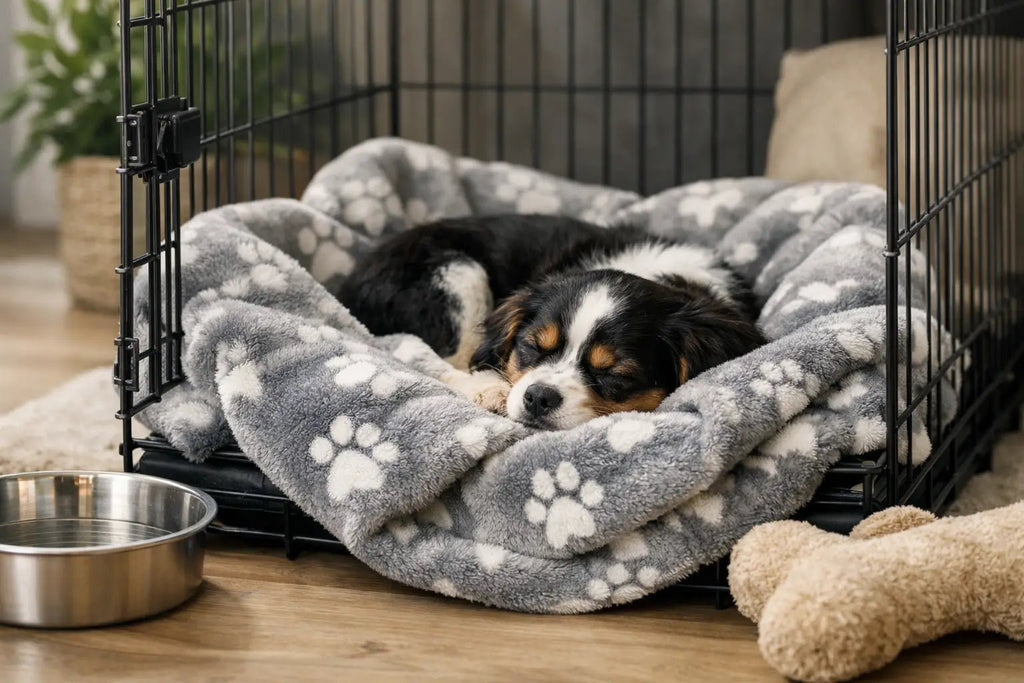
A crate should feel like your pet’s own quiet corner, not a hard plastic box or chilly wire space. The best pet blanket for crate use adds a soft, familiar layer that helps dogs and cats settle down for naps, nighttime sleep, travel, and crate training. The right choice is not always the thickest or fluffiest blanket. It is the one that fits safely, stays comfortable, and matches your pet’s habits.
For everyday pet parents, a good crate blanket is a small comfort upgrade with a big payoff. It can protect bedding from fur, make cleanup easier, and give a new puppy, senior dog, rescue pet, or nervous traveler something cozy to curl up with. Better yet, you do not need a luxury price tag to create a happier resting spot.
What Makes the Best Pet Blanket for Crate Use?
Start with how your pet uses the crate. A calm adult dog who sleeps through the night can enjoy a soft plush blanket. A puppy who is teething, chewing, or still having accidents needs something lighter, durable, and easy to wash. Cats may prefer a fleece-like material that holds warmth, while short-haired dogs often appreciate a little more insulation during cooler months.
The best crate blanket should be soft enough for comfort but practical enough for real life. Look for a material that can handle frequent laundering, since pet blankets quickly collect fur, dander, dirt, and the occasional muddy paw print. A washable blanket is especially helpful for crates used after walks, car rides, boarding, or rainy-day play.
Size matters just as much as fabric. A blanket that is too small may slide around and leave your pet on the bare crate floor. One that is too large can bunch up, trap heat, or become tempting for a playful chewer to pull and shred. Measure the interior floor of the crate, then choose a blanket that covers the sleeping area without creating bulky folds.
Softness is good, but safety comes first
A crate blanket should not have loose threads, dangling decorations, buttons, or small pieces that could be swallowed. This matters most for puppies and dogs who chew when bored or anxious. If your pet tends to tear up bedding, use a thin, tightly woven blanket only while you can supervise, or wait until crate training is more established.
Heavy quilts and extra-thick blankets can feel wonderful for a pet who gets cold, but they are not ideal for every crate. In warm rooms, poorly ventilated spaces, or summer travel, thick layers can cause overheating. Your pet should be able to stretch out comfortably and move away from the blanket if they get warm.
Choose a Crate Blanket by Fabric
Different fabrics suit different pets, seasons, and household routines. There is no single best material for every animal, but knowing the trade-offs makes shopping much easier.
Fleece for easy, everyday warmth
Fleece is a popular choice because it is soft, lightweight, and warm without feeling overly heavy. It is often a smart pick for dogs and cats who like to burrow or curl into a snug ball. Many fleece blankets also dry quickly after washing, which is a welcome benefit when you need clean bedding fast.
The downside is that fleece can attract fur and may pill over time, especially if your pet scratches or kneads before settling down. Choose a well-made fleece with neat edges, and shake it out between washes to keep the crate fresh.
Plush or sherpa for pets who love to snuggle
Plush and sherpa-style blankets bring extra softness to a crate, making them a lovely option for gentle pets, seniors, and animals who enjoy a warm nest. They can also help a newly adopted pet feel more secure by giving the crate a comforting texture.
Because these materials are thicker, check the crate temperature regularly. They work best in cooler homes and during fall or winter, not in a sunny room or a warm car. They may also take longer to dry than a thinner blanket.
Cotton blends for breathability
A cotton or cotton-blend blanket can be a dependable all-season choice. It is usually breathable, easy to layer, and less likely to make a pet feel too warm. This is helpful for pets with thick coats or crates kept in warmer parts of the home.
Pure cotton can hold moisture longer than synthetic materials, so it may not be the best choice for puppies still learning potty routines. A cotton blend gives you some of that familiar softness with a little more durability and faster drying.
Waterproof-backed options for messier moments
For pets that have accidents, drool heavily, or come inside with wet paws, a water-resistant layer can protect the crate tray or bed underneath. These blankets are useful for travel and recovery periods, too. Just make sure the surface is still soft enough for resting and that the backing does not make loud crinkling sounds that bother your pet.
How to Pick the Right Size and Weight
A crate blanket is meant to line or layer the resting area, not fill every inch of the crate. For a standard wire crate, lay the blanket flat on the floor and let your pet’s bed sit on top if you use one. For a travel crate, a thinner blanket is usually more practical because it takes up less room and is less likely to shift during movement.
Small dogs, puppies, and cats often do well with a compact blanket that gives them a cozy spot without excessive fabric. Medium and large dogs need enough coverage to cushion their elbows, hips, and paws. Older pets with stiff joints may benefit from a blanket paired with a supportive crate mat or bed rather than several folded layers that can become uneven.
If your pet sleeps sprawled out, choose a blanket that covers their full body length when they lie down. If they curl tightly, a smaller option may be enough. Watch how they rest at home for a few days. Their sleeping style gives you a better answer than a label alone.
Keep Your Pet’s Crate Cozy Without Overheating
Blankets are comforting, but pets need airflow. Never cover the inside of the crate so heavily that your dog or cat cannot move freely or cool down. If you use a separate cover over a wire crate to reduce visual distractions, make sure it is designed for that purpose and leaves plenty of ventilation.
During warm weather, switch to a lightweight cotton blend or skip the blanket if your pet naturally seeks cool surfaces. Signs of overheating include heavy panting, restlessness, excessive drooling, and moving away from the bedding. In colder months, add warmth gradually. A soft blanket plus a raised bed can be more comfortable than piling on multiple heavy layers.
A pet who has just exercised, been groomed, or ridden in a warm car may also need less bedding until they cool down. Comfort should always work with your pet’s body temperature, not against it.
Washing a Crate Blanket the Smart Way
Clean blankets help keep the crate inviting and reduce odors that linger in small spaces. For most pets, washing the blanket once a week is a good routine. Wash more often if your pet sheds heavily, has allergies, tracks in dirt, or has an accident.
Shake off loose fur before washing, then follow the care label. Use a pet-safe, fragrance-light detergent whenever possible, since strong scents can irritate sensitive skin or discourage a pet from using their crate. Avoid fabric softener if it leaves a coating that affects absorbency or makes the material less breathable.
Keep two crate blankets if your schedule allows. One can be in the wash while the other keeps your pet’s routine steady. That simple backup is particularly helpful for puppies, rainy seasons, and multi-pet homes.
When a Blanket Is Not the Right Choice
Some pets should not be left alone with a blanket in their crate yet. If your puppy swallows fabric, pulls at seams, or turns every soft item into a chew toy, remove the blanket and focus on safe crate training first. A bare crate tray is temporary, and safety is always the kinder choice.
Likewise, a pet with a medical condition, mobility challenge, or healing wound may need a specific crate mat recommended by a veterinarian. A blanket can still provide gentle comfort, but it should not replace proper support or medical guidance.
For pets who are anxious in the crate, a blanket may help because it carries the familiar scent of home. Place it in a favorite resting area for a day before moving it into the crate. The familiar smell can make the new setup feel less unfamiliar and more like their own space.
A soft, washable blanket can turn the crate from a training tool into a trusted resting place. Choose one that suits your pet’s size, temperature needs, and behavior, then keep it clean and ready for the next nap. At Souths Pet Supplys, we believe everyday comfort should be easy to find, easy to afford, and made for the happy little moments your pet enjoys most.
Related post
04
Aug

02
Aug

01
Aug
29
Jul