
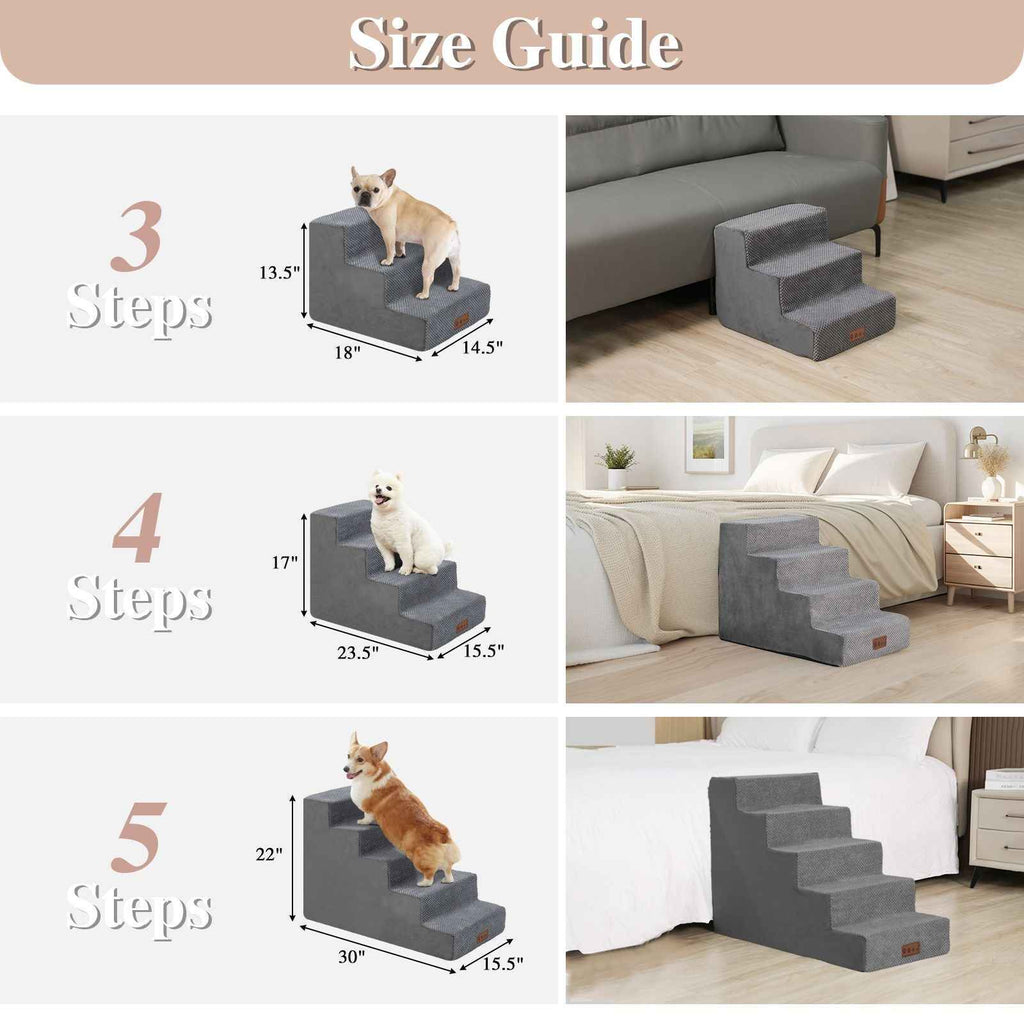
Why Your Beloved Pet Needs Steps: Enhancing Mobility and Comfort in 2025
The Growing Need for Pet Steps: A 2025 Perspective
As our furry companions age, or even if they're dealing with health issues from a young age, their mobility can be significantly impacted. What was once an effortless jump onto the sofa or a quick hop into the car can become a painful and daunting task. This is where pet steps, also known as pet ramps or pet stairs, come into play. In 2025, they are more than just a convenience; they are an essential tool for maintaining your pet's quality of life, independence, and overall well-being.
Understanding Pet Mobility Challenges
Several factors can contribute to a pet's difficulty with jumping and climbing:
- Age: Just like humans, pets experience a natural decline in joint health and muscle mass as they get older. Arthritis and other degenerative joint diseases are common, making high-impact movements painful.
- Breed Predispositions: Certain breeds are genetically more prone to joint issues like hip dysplasia or luxating patellas, which can affect their ability to jump.
- Injury or Surgery: Recovering from an injury or surgery often requires limiting strenuous activity, including jumping. Steps can help pets navigate their environment safely during this period.
- Weight: Overweight pets put extra stress on their joints, making every jump a significant strain.
- Medical Conditions: Conditions like intervertebral disc disease (IVDD) in dachshunds or other neurological issues can impair coordination and strength, making jumping impossible or dangerous.
The Multifaceted Benefits of Pet Steps
Investing in pet steps offers a wide array of advantages for both your pet and you:
Improved Accessibility and Independence
Pet steps provide a safe and gradual way for your pet to access their favorite spots, such as beds, sofas, or car seats, without the need for strenuous jumping. This restored accessibility allows them to maintain their independence and feel more in control of their environment, which is crucial for their mental well-being.
Reduced Strain and Pain
The primary benefit of pet steps is the significant reduction in physical strain on your pet's joints and spine. By eliminating the jarring impact of jumping, steps prevent micro-injuries, alleviate existing pain from conditions like arthritis, and reduce the risk of further damage or exacerbation of health problems.
Prevention of Injuries
Jumping from heights, even seemingly small ones, can lead to injuries. Pets can misjudge a jump, land awkwardly, or slip, resulting in sprains, strains, or even fractures. Pet steps provide a controlled and stable ascent and descent, significantly minimizing the risk of these acute injuries.
Enhanced Quality of Life
For pets struggling with mobility, life can become frustrating and isolating. Being unable to join their humans on the couch or easily get into the car can lead to behavioral changes and a decrease in overall happiness. Pet steps empower them to participate fully in family life, enhancing their comfort and enjoyment.
Support for Senior Pets
Senior pets are particularly vulnerable to mobility issues. Steps are a vital tool for ensuring they can continue to enjoy their favorite resting places and participate in family activities without discomfort or risk. They allow older pets to age gracefully and comfortably in their own homes.
Aid in Post-Operative Recovery
For pets recovering from orthopedic surgery or injuries affecting their legs or back, pet steps are invaluable. They allow for controlled movement, preventing the re-injury of the surgical site and promoting a smoother, safer recovery process.
Choosing the Right Pet Steps
With various types of pet steps available, consider these factors when making your choice:
- Height and Incline: Ensure the steps are the appropriate height for the furniture or vehicle they are intended for, and that the incline is gradual enough for your pet.
- Material and Traction: Look for sturdy materials and non-slip surfaces to prevent accidents. Carpeting, rubberized treads, or textured finishes are excellent options.
- Stability: The steps should be stable and not wobble when your pet uses them. A wider base generally offers more stability.
- Weight Capacity: Choose steps that can safely support your pet's weight.
- Portability: If you need steps for your car or travel, consider lightweight and foldable options.
- Aesthetics: Many pet steps come in various styles and colors to blend with your home decor.
Conclusion: A Small Investment for Big Returns
In 2025, understanding and addressing your pet's mobility needs is a crucial part of responsible pet ownership. Pet steps are a simple yet incredibly effective solution that can prevent pain, reduce the risk of injury, and significantly improve your pet's comfort and independence. By providing them with the right support, you're investing in their long-term health and happiness, ensuring they can enjoy their lives to the fullest by your side.
Related post

15
Jul

13
Jul
