
Puppy Shopping List Guide for New Dog Parents
The first night with a new puppy is usually a mix of excitement, photos, and at least one moment where you realize you forgot something obvious. A good puppy shopping list guide helps you skip that stress and bring home what your dog actually needs - not just what looks cute in the cart.
If you're preparing for a new puppy, the goal is simple: cover the basics for safety, comfort, feeding, sleep, and play without overspending on items you may outgrow in a few weeks. Puppies change fast. What matters most is choosing practical essentials that make daily life easier for both of you.
What to prioritize in a puppy shopping list guide
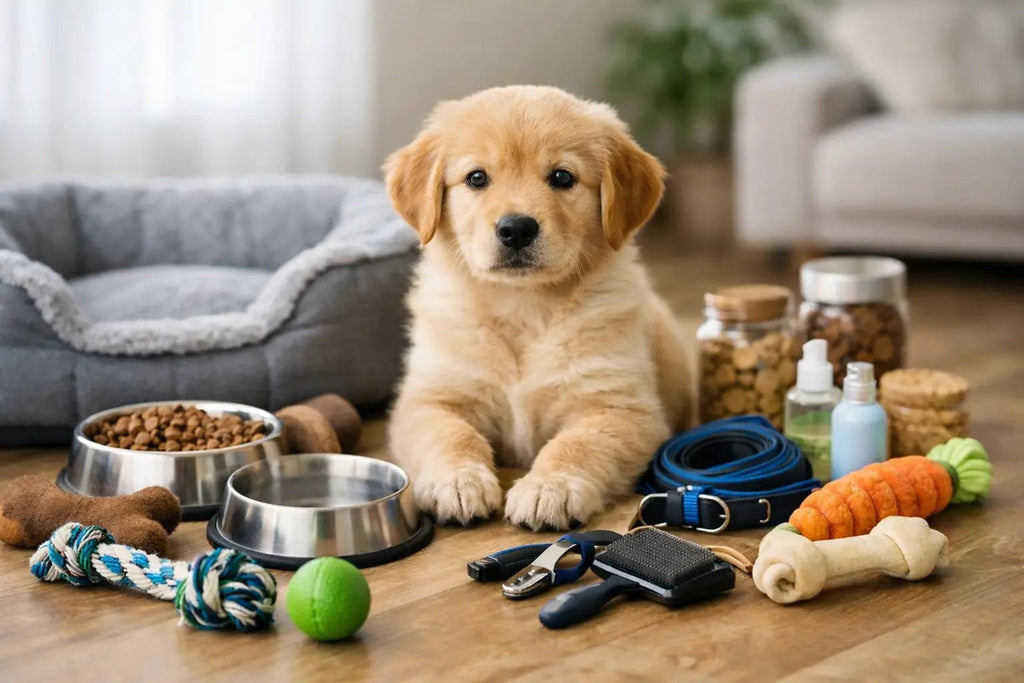
Before you buy everything in sight, think in categories instead of products. Your puppy needs a safe place to sleep, the right feeding setup, basic walking gear, toys that support healthy chewing, and a few comfort items to help them settle in.
This matters because puppies do not need a huge pile of accessories on day one. They need consistency. A soft bed, a properly fitted collar, quality food, and a few well-chosen toys will do far more than a basket full of impulse buys.
It also helps to shop with your puppy's age, breed size, and coat type in mind. A tiny breed puppy may need a smaller bed, lighter leash, and warmer blanket. A larger breed puppy may outgrow bowls, collars, and clothes quickly, so buying adjustable items can save money.
Sleep and comfort essentials
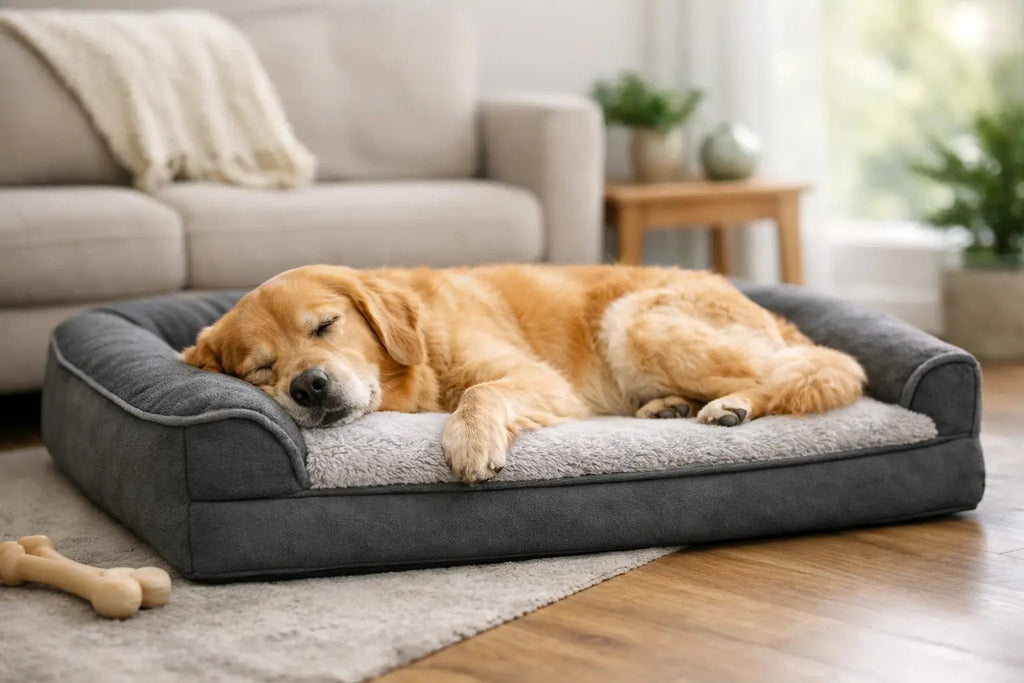
Your puppy's sleeping setup affects more than naps. It can shape how secure they feel in a new home. A supportive pet bed should be at the top of your list, especially one with enough cushioning for growing joints and a washable cover for the accidents that happen early on.
Blankets are worth having too. They add warmth, help your puppy settle, and can make a crate or bed feel less unfamiliar. If you're bringing your puppy home from a breeder or rescue, placing a blanket in their sleep space can help create a calmer transition.
Some pet parents also buy puppy clothes right away. That can make sense for very small breeds, short-haired puppies, or colder climates. But it depends on your dog. Clothes should be soft, easy to move in, and never tight around the neck, chest, or legs. Comfort comes first.
Feeding basics that make daily routines easier
Food and water bowls sound simple, but the right setup matters. Choose sturdy bowls that are easy to clean and hard to tip over. Puppies are messy, and lightweight bowls often end up sliding across the floor.
Your puppy will also need age-appropriate puppy food that supports growth. This is one area where cutting corners can create problems later. Look for food made specifically for puppies, and if your breeder, rescue, or vet recommends a certain formula, start there before making changes.
Treats are helpful too, but they should match your puppy's size and age. Tiny, soft treats usually work best for early training because they are easy to chew and quick to reward with. Large or overly rich treats may upset a young puppy's stomach.
It is smart to keep feeding simple at first. Sudden changes in food, too many treats, and too many chews all at once can lead to digestive issues. Start basic, then adjust once your puppy settles in.
Walking and identification must-haves
Even if your puppy is not ready for long walks yet, you will need the basics right away. A properly fitted collar is essential for identification, and it should be snug enough not to slip over the head while still allowing room for comfort.
A lightweight leash is another early must-have. For most puppies, a standard leash is a better choice than anything bulky or complicated. It gives you control while helping your puppy learn calm walking habits.
Harnesses can also be useful, especially for small breeds or puppies that tend to pull. But fit is everything. A poor fit can rub, shift, or make your puppy uncomfortable. Since puppies grow quickly, adjustable gear often gives you the best value.
If you're building your own puppy shopping list guide, keep identification high on the priority list. Tags, a secure collar, and dependable walking gear are not extras. They are basic safety items.
Toys, chewing, and healthy boredom relief
Puppies explore the world with their mouths, which means chewing is not bad behavior by itself. It is normal. The goal is to direct that urge toward safe toys instead of table legs, shoes, and your hands.
A few types of toys usually work better than buying a dozen random ones. Soft comfort toys can help with settling and carrying. Rubber or chew-friendly toys support teething. Light toss toys encourage play and bonding. Rotation helps too. When every toy is available all the time, puppies often lose interest quickly.
This is one area where supervision matters. If a toy has pieces that can come loose, stuffing that tears easily, or parts your puppy can swallow, it is not a great fit for unsupervised play. Durable matters, but so does size. A toy that is too small can become a hazard.
Cleaning and home setup items you will be glad you bought
Puppy life is adorable, and it is also messy. A washable blanket, easy-clean bed cover, and pet-safe cleaning supplies go a long way in those first months. If you're not planning for accidents, you're planning to feel frustrated by normal puppy behavior.
You may also want a dedicated spot for meals, sleep, and toys. Dogs settle faster when routines are clear. Even in a smaller home, creating a simple puppy zone can make training easier and reduce overstimulation.
Storage helps more than people expect. Keeping food, treats, grooming basics, and toys in one place saves time and keeps daily care simple. Convenience matters because the easier your routine is, the more consistent you will be.
What you can skip for now
A smart puppy shopping list guide is just as much about what not to buy. You probably do not need fancy outfits, multiple beds for every room, a huge toy haul, or expensive specialty accessories before you know your puppy's preferences.
It is also wise to avoid buying too far ahead in size. Puppies grow unevenly. A collar that seems perfect today may be too small surprisingly soon, while a bed bought for adult size might feel too large and less cozy right now.
The best approach is to buy enough for comfort and routine, then fill in the gaps as you learn your puppy's personality. Some puppies love plush toys. Some destroy them in five minutes. Some settle beautifully in a bed. Others prefer a blanket on the floor at first. It depends.
How to balance quality and budget
New pet parents often feel pressure to buy the best of everything immediately. The better approach is to buy the best value in the categories that truly matter. Bedding, food, walking gear, and safe toys deserve careful attention because they affect everyday comfort and health.
In other areas, simple is perfectly fine. You do not need luxury extras to be a great dog parent. You need reliable basics, safe materials, and products that fit your puppy's real stage of life.
That is where shopping with a comfort-first, value-minded mindset helps. At Souths Pet Supplys, that means focusing on essentials that support happy routines without making puppy prep feel overwhelming or expensive.
A simple puppy shopping list guide to follow first
If you want the shortest version of this puppy shopping list guide, start with these basics: a washable bed, a soft blanket, puppy food, food and water bowls, a collar, a leash, ID tags, and a few safe toys for chewing and comfort. Once your puppy is home, you can quickly tell what else would genuinely help.
That first shopping trip does not need to be perfect. It just needs to set your puppy up for a safe, cozy start. When you focus on comfort, routine, and a few dependable essentials, you make room for the fun part - getting to know the little personality now racing around your home.
Related post
15
Jul

13
Jul
