
Dog Coat Sizing Chart Made Simple
That cute coat in your cart can turn into a headache fast if the fit is off. A dog coat sizing chart looks simple at first glance, but one wrong measurement can leave your pup squeezed at the chest, exposed along the back, or refusing to move at all.
The good news is that sizing a dog coat is usually easy once you know what matters most. You do not need to guess based on breed, and you definitely do not want to buy based on weight alone. Dogs come in too many shapes for that. A slim Whippet, a stocky French Bulldog, and a fluffy Mini Goldendoodle can all weigh about the same and need completely different coat sizes.
How to Use a Dog Coat Sizing Chart
Most dog clothing brands size coats using three basic measurements: back length, chest girth, and neck. If you have those numbers, you are already ahead of most shoppers.
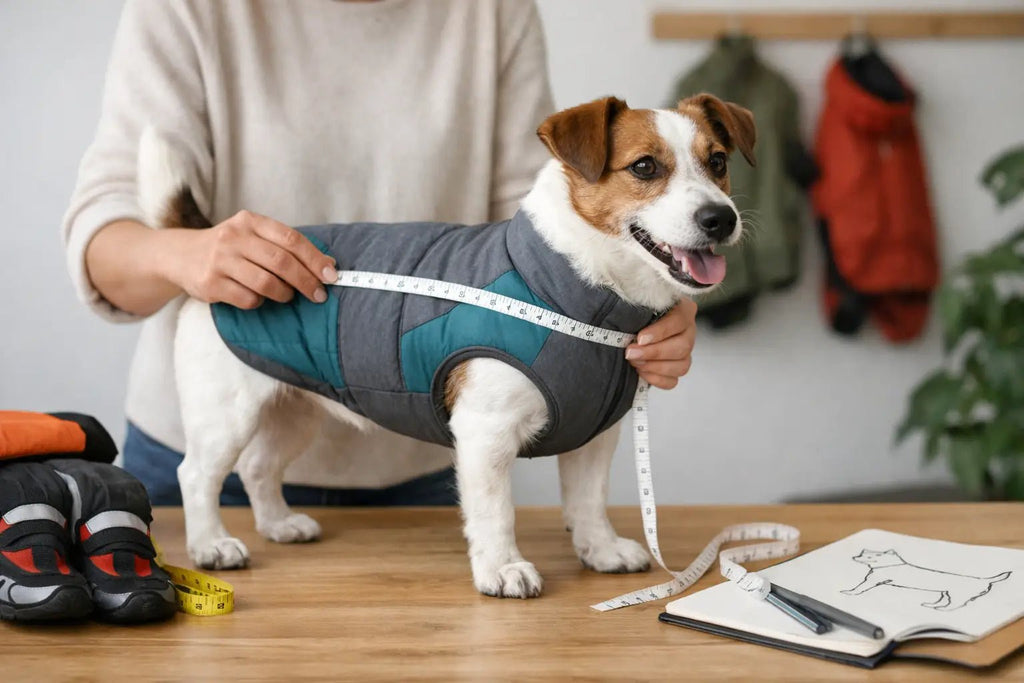
Back length is usually the starting point. Measure from the base of your dog’s neck, where the collar sits, to the base of the tail. Do not measure all the way up the head or beyond the tail. A coat that is too short may not keep your dog warm, but one that is too long can bunch up or get in the way when your dog walks.
Chest girth is often the deciding factor when your dog falls between sizes. Wrap a soft measuring tape around the widest part of the chest, usually just behind the front legs. This measurement matters a lot because the chest is where coats tend to feel too tight first. If your dog has a deep chest, broad shoulders, or a sturdy build, chest fit may matter more than back length.
Neck measurement helps with comfort and security. Measure around the base of the neck where a collar would naturally rest. If the neck opening is too snug, the coat can rub, restrict movement, or simply become a battle to put on.
When you check a dog coat sizing chart, compare all three numbers instead of focusing on a single one. If your dog matches a medium in length but a large in chest, that is your sign to look more carefully at the coat design.
The Best Way to Measure Your Dog
If possible, measure your dog while they are standing. A sitting or curled-up dog can throw off the numbers, especially for back length. It helps to have treats nearby and another person to steady your pup if they tend to wiggle.
Use a soft tape measure, not a ruler or a piece of string unless you absolutely have to. Keep the tape snug but not tight. You want the actual body measurement, not a compressed version of it.
If your dog has thick fur, press lightly through the fluff without pulling the tape too close. This is one of those it depends moments. A heavy winter coat for a long-haired dog may need a little extra room, while a lightweight raincoat should still sit close enough to stay in place.
Measure twice if your dog is between sizes or shaped a little differently than average. That extra minute can save you the hassle of returns and help your dog stay comfortable from day one.
Why Breed Guessing Often Fails
A lot of shoppers want a shortcut. It is tempting to search for something like, “What size coat does a Beagle wear?” But breed averages only go so far.
Even within the same breed, body shape can vary a lot. Some Dachshunds are extra long. Some Pugs have wider chests. Mixed breeds make sizing even less predictable. Age, weight changes, muscle tone, and coat thickness also affect fit.
That is why a dog coat sizing chart is more reliable than breed labels like small, medium, or large on their own. Those words are not standardized. One brand’s medium may fit like another brand’s small.
What to Do if Your Dog Is Between Sizes
This is where many pet parents get stuck. If your dog lands between two sizes, the right choice depends on the coat style and your dog’s build.
If the coat has adjustable straps, hook-and-loop closures, or stretchy panels, sizing up is often the safer move. That extra flexibility can help you get a better fit without squeezing your dog. If the coat has a more structured shape with less give, choosing based on the chest measurement is usually smartest.
Think about layering too. If your dog will wear a sweater or harness underneath, a little extra room helps. If the coat is meant to be a close-fitting rain layer, too much looseness can cause shifting and rubbing.
Small dogs, senior dogs, and short-haired dogs often benefit from a slightly roomier winter coat because warmth matters. Active dogs that run hard or hike may do better with a more tailored fit so the coat does not twist around during movement.
Signs a Dog Coat Fits Well
A good coat should look neat without looking tight. Your dog should be able to walk, sit, lie down, and go to the bathroom without the coat getting in the way.
You want enough room to slide two fingers under the neck and chest area. The coat should stay in place while your dog moves, but it should not dig into the armpits or ride up along the shoulders. The back should be covered without extending past the tail base.
Watch your dog’s behavior after putting it on. If they freeze, scratch at it, hunch up, or refuse to walk, that is not just drama. It often means the fit feels strange or uncomfortable.
Some dogs need a short adjustment period, especially if they are new to wearing clothes. Still, discomfort usually shows up quickly. Trust what you see.
Common Dog Coat Sizing Chart Mistakes
The biggest mistake is choosing a size based only on weight. Weight can be helpful as a rough reference, but it should never be the main sizing method.
Another common issue is measuring over a bulky harness or guessing while the dog is lying down. That often leads to coats that shift or pinch. Measuring once and rushing to buy can also backfire, especially if your dog is fluffy, broad-chested, or still growing.
It is also easy to ignore the coat material. A fleece-lined winter coat, a waterproof shell, and a knit sweater may all fit differently even if the size label is the same. Fabric thickness, stretch, and closure style all affect the final feel.
And then there is the style factor. Not every coat works for every body type. Long-bodied dogs may need more back coverage. Broad, low-to-the-ground dogs may need extra room in front without too much length overall. A sizing chart gives you the numbers, but coat design tells the rest of the story.
Choosing the Right Coat for Comfort
The best fit is only part of the decision. You also want a coat that suits your dog’s daily routine.
For quick potty breaks and chilly mornings, a simple lightweight coat may be enough. For cold-weather walks, older dogs, or breeds that get chilly fast, a warmer insulated coat makes more sense. Rainy climates call for water-resistant materials that do not trap too much heat.
Ease matters too. If your dog hates having things pulled over their head, look for a coat with belly straps or front closures. If they wear a harness, check that the coat design leaves enough room or includes an opening in the right spot.
At Souths Pet Supplys, that comfort-first approach matters because everyday pet gear should make life easier, not more frustrating. A well-fitted coat helps your dog stay happy, warm, and ready for every walk.
Dog Coat Sizing Chart Tips for Puppies and Seniors
Puppies are tricky because they grow fast. If your pup is in a growth stage, buying an adjustable coat can give you a little more wear time. Just do not size up too much. A loose coat can be awkward and unsafe.
Senior dogs often need extra warmth, especially if they have thinning coats, lower body fat, or joint stiffness. Soft materials and easy-on designs can make a big difference. For older dogs, comfort usually matters more than a perfectly snug silhouette.
If your dog has mobility issues, check that the coat does not require a lot of leg lifting or twisting to put on. The right fit should support your routine, not slow it down.
A dog coat should never feel like a costume your pet has to tolerate. When the measurements are right and the style suits your dog’s shape, a coat becomes what it should be - simple comfort for colder, wetter days. Take a minute to measure well, trust the chart more than the label, and your dog will be much more likely to enjoy every walk that comes next.
Related post
15
Jul
13
Jul
