
Best Spring Shedding Tools for Cats
That first warm stretch of spring usually brings one obvious sign into your home - cat hair on the couch, the bed, your black shirt, and somehow even inside a clean laundry basket. The right spring shedding tools for cats can make a big difference, but choosing one is not as simple as grabbing the first brush on the shelf. Your cat’s coat type, skin sensitivity, and tolerance for grooming all matter.
For most cat parents, the goal is not to stop shedding completely. Cats shed, especially as seasons change. The real win is keeping loose fur under control before it ends up all over your home or in your cat’s stomach during self-grooming. A good tool helps with comfort just as much as cleanup.
Why spring shedding gets so intense
As temperatures rise and daylight changes, many cats start dropping their heavier winter coat. Indoor cats can shed year-round because heating, air conditioning, and artificial light affect their natural cycles, but spring still tends to bring a noticeable increase. If your cat seems to be leaving fur clouds behind after every nap, that is usually normal seasonal shedding.
What is not normal is shedding paired with bald spots, red skin, constant scratching, or a suddenly greasy or dull coat. In those cases, grooming tools alone will not solve the issue. Skin irritation, parasites, allergies, stress, and diet can all play a role, so it is worth checking with your vet if the shedding looks extreme or unusual.
How to choose spring shedding tools for cats
The best tool depends first on coat length. Short-haired cats usually do well with softer grooming tools that lift loose fur without scraping the skin. Long-haired cats often need something that can reach deeper into the coat to prevent tangles and remove undercoat before mats start forming.
Your cat’s personality matters just as much. Some cats love daily brushing and will flop over for it. Others act like the brush is a personal insult. If your cat is sensitive, a gentle rubber brush or grooming glove may work better than a metal de-shedding tool, even if it removes a little less fur each session. A calmer routine done consistently often beats an aggressive tool used once and never again.
Budget matters too, and fairly so. You do not need the most expensive option to keep your cat comfortable. A well-made, easy-to-clean brush that fits your cat’s coat and your routine is usually the smarter buy than a fancy tool that sits in a drawer.
The main types of spring shedding tools for cats
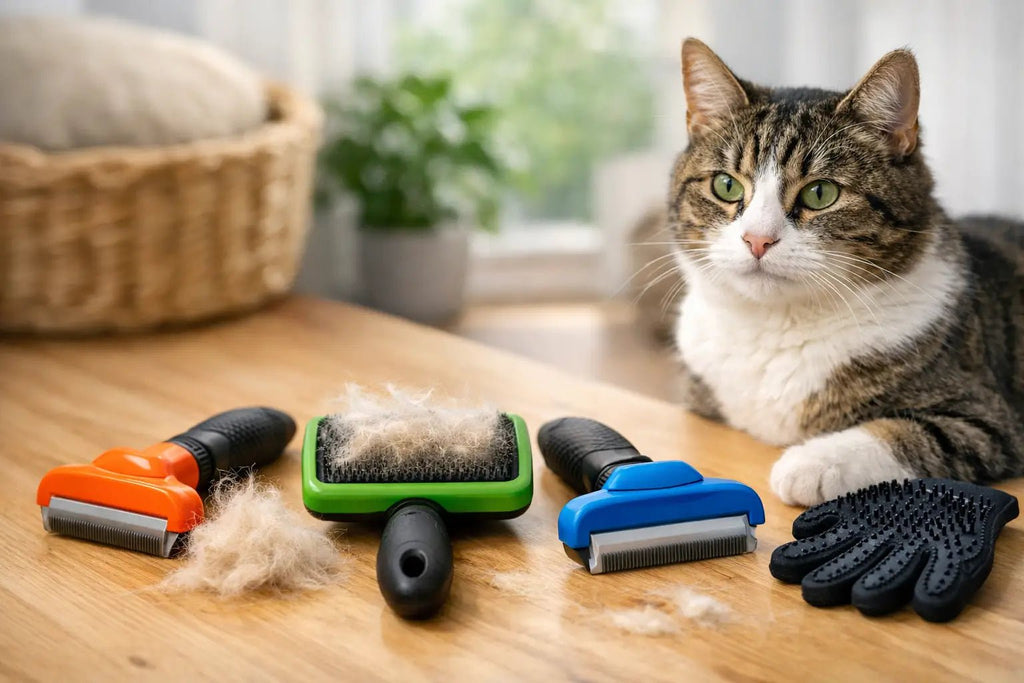
Slicker brushes
Slicker brushes have fine wire bristles and are especially useful for medium- to long-haired cats. They can pull out loose fur and help prevent minor tangles before they turn into mats. Used gently, they are effective. Used with too much pressure, they can irritate the skin, especially on thin-coated areas like the belly.
These are often a good fit for cats with fluffier coats, but they are not always the best starter tool for nervous cats. If your cat already dislikes grooming, the feel of the bristles may be too intense.
Rubber grooming brushes
Rubber brushes are a favorite for short-haired cats and grooming beginners. They are soft, flexible, and usually more comfortable on sensitive skin. They do a nice job of lifting loose topcoat hair, and many cats tolerate them better because they feel more like a massage than a brushing session.
The trade-off is that they may not remove as much undercoat from thicker or longer fur. Still, for easy weekly maintenance and everyday comfort, they are hard to beat.
Grooming gloves
Grooming gloves are helpful for cats that run away from traditional brushes. Because you use your hand in a natural petting motion, the experience can feel less stressful. They work best on short- to medium-haired cats and are great for collecting loose surface fur.
They are not ideal for serious de-shedding if your cat has a dense undercoat, but for touch-sensitive pets, they can be the difference between no grooming and regular grooming.
Undercoat rakes and de-shedding tools
These tools are designed to reach deeper into the coat and remove loose undercoat efficiently. They can be very useful for long-haired cats or cats with thick seasonal shedding. When used correctly, they reduce fur around the house and may help cut down on hairballs.
They also require the most care. Too much pressure or overuse can thin the coat or irritate the skin. They are best used in short sessions, and not every cat needs them. If your cat has a fine or sparse coat, this type of tool may be more than necessary.
Combs
A good comb is underrated. Wide-tooth and fine-tooth combs can help check for tangles, work through small knots, and finish the coat after brushing. Long-haired cats especially benefit from combing around the chest, legs, and tail where mats tend to sneak in.
Combs are not always the fastest option for removing large amounts of shed hair, but they are excellent for precision and for spotting problem areas early.
Matching the tool to your cat’s coat
Short-haired cats usually do best with rubber brushes, grooming gloves, or a soft bristle-style grooming tool. These options lift loose hair without overstimulating the skin. A short-haired cat with a dense coat may benefit from occasional use of a gentle de-shedding comb, but daily heavy-duty grooming is rarely needed.
Medium-haired cats often need a mix of tools. A slicker brush for regular fur removal and a comb for tangles can be a practical pairing. If shedding is heavy in spring, adding a gentle undercoat tool once a week may help.
Long-haired cats usually need the most structured routine. A comb helps find tangles, a slicker brush helps remove loose fur, and a de-shedding tool may be useful during peak seasonal coat blow. The key is to work slowly and never force through mats, since that can hurt your cat and make future grooming harder.
How to groom without turning it into a battle
Timing helps. Try grooming when your cat is already relaxed, like after a meal or during a favorite nap window. Starting with just one or two minutes can be enough, especially if your cat is still getting used to the process.
Use light pressure and brush in the direction the fur grows. Focus first on the areas your cat enjoys being touched, usually the back, shoulders, and sides. Leave more sensitive spots for later once your cat is comfortable. A treat afterward can go a long way in building a positive association.
If your cat’s tail starts flicking, ears flatten, or body stiffens, stop before frustration takes over. A shorter, calmer routine is better than trying to finish the whole job in one go. Consistency matters more than marathon sessions.
Common mistakes with shedding tools
One of the biggest mistakes is choosing a tool that is too harsh for the coat. Just because a tool removes a lot of hair does not mean it is the right choice. Over-grooming can irritate the skin and damage the coat, especially in spring when pet parents are tempted to brush every handful of fur away.
Another common mistake is ignoring mats and assuming a brush will fix them. Once mats form, especially in long-haired cats, standard brushing can pull painfully on the skin. Small tangles may be manageable with a comb and patience, but tighter mats often need professional help.
It is also easy to forget cleaning the tool itself. A brush packed with old fur is less effective and less hygienic. Keeping grooming tools clean makes each session easier and more comfortable.
A few extras that support shedding season
Brushing is the main event, but it works even better when paired with a few simple habits. Good nutrition supports skin and coat health, and fresh water helps overall wellness. Washing bedding and blankets more often during spring also helps keep loose fur from constantly circulating back onto your cat.
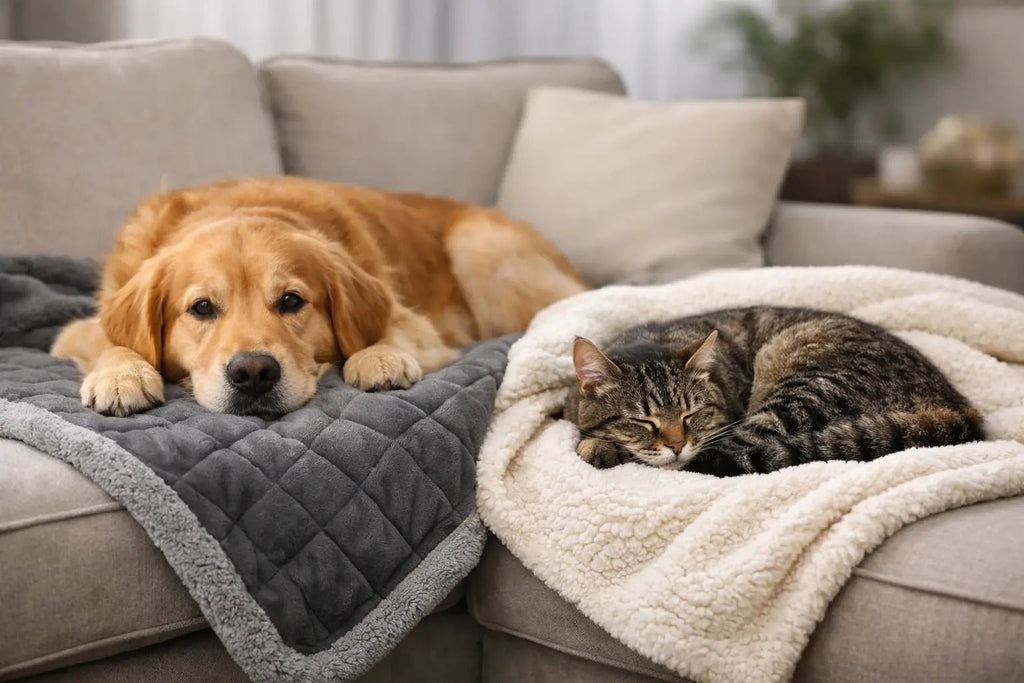
If your cat hacks up more hairballs during shedding season, more regular grooming can help by catching loose fur before your cat swallows it. Some households also find that a dedicated throw blanket on favorite furniture spots makes cleanup much easier.
For everyday pet parents, that is really the goal - less loose fur, fewer tangles, and a cat that feels comfortable instead of annoyed. Affordable grooming basics can make a real difference when they match your cat’s needs and your routine. At Souths Pet Supplys, that simple kind of comfort is exactly what pet care should feel like.
The best spring grooming tool is the one your cat will actually tolerate and you will actually use. Start gentle, pay attention to coat type, and let your cat set the pace. A little steady care in spring can make your home cleaner, your grooming routine easier, and your cat a whole lot happier.
Related post

15
Jul
13
Jul
