
A Comprehensive Guide: How to Keep Your Beloved Dog Healthy and Happy in 2025
The Foundation of Canine Well-being: Nutrition and Hydration
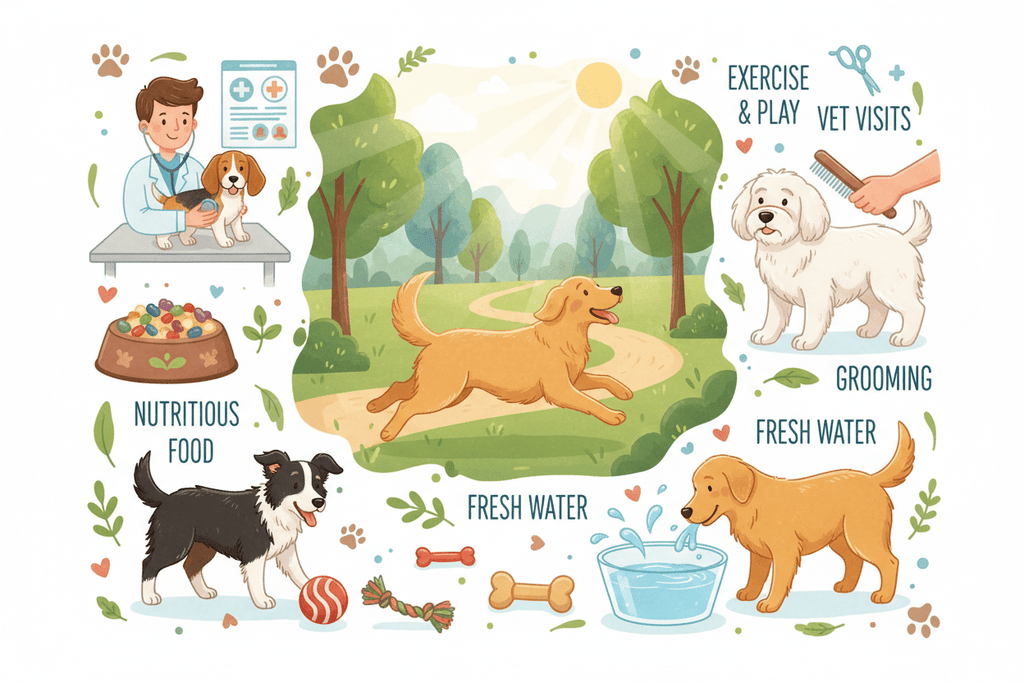
Ensuring your dog maintains optimal health starts with the fundamentals: a balanced diet and consistent access to fresh water. In 2025, the world of pet nutrition offers an abundance of choices, from premium kibble to specialized raw and fresh food diets. The key is to select a food that is appropriate for your dog's age, breed, activity level, and any specific health conditions they may have. Consult your veterinarian to determine the best dietary plan. Look for high-quality protein sources as the primary ingredient. Avoid foods with excessive fillers, artificial colors, and preservatives. Remember that treats, while enjoyable, should be given in moderation and count towards their daily caloric intake to prevent obesity, a common and serious health concern. Always ensure a clean water bowl is readily available throughout the day. Dehydration can quickly lead to health problems, so never underestimate the importance of hydration.
The Power of Proactive Veterinary Care
Regular veterinary check-ups are non-negotiable for maintaining your dog's health. These visits allow your veterinarian to catch potential issues early, often before symptoms become apparent. Annual or semi-annual wellness exams should include a thorough physical examination, dental check-up, and discussions about your dog's behavior, diet, and any concerns you might have. Vaccinations are crucial for protecting your dog against a range of preventable diseases. Your vet will recommend a vaccination schedule tailored to your dog's lifestyle and geographical location. Furthermore, parasite prevention, including flea, tick, and heartworm medication, is vital year-round. These tiny parasites can transmit serious diseases, so consistent prevention is key.
Exercise: More Than Just Burning Energy
Physical activity is paramount for a dog's physical and mental health. The type and amount of exercise needed will vary significantly based on breed, age, and individual energy levels. For highly active breeds like Border Collies or Australian Shepherds, daily vigorous exercise, such as running, hiking, or engaging in dog sports, is essential. Less active breeds might be content with daily walks and playtime in the yard. Exercise helps maintain a healthy weight, strengthens muscles and bones, improves cardiovascular health, and reduces the risk of behavioral problems often stemming from boredom or pent-up energy. Mental stimulation is equally important. Puzzle toys, training sessions, and interactive games can challenge your dog's mind and prevent cognitive decline.
Grooming: A Window into Your Dog's Health
Regular grooming goes beyond aesthetics; it's a vital part of your dog's health routine and an excellent opportunity to check for any abnormalities. Brushing your dog's coat not only keeps it clean and reduces shedding but also allows you to inspect their skin for lumps, bumps, parasites, or any signs of irritation. Nail trimming is crucial to prevent discomfort and mobility issues. Overgrown nails can affect their gait and lead to joint problems. Ear cleaning helps prevent infections, especially in breeds prone to them. Dental hygiene is often overlooked but is critical. Regular teeth brushing with dog-specific toothpaste can prevent periodontal disease, which can affect overall health and even lead to organ damage if left untreated. Familiarize yourself with what's normal for your dog so you can quickly identify any changes.
Mental Well-being and Socialization
A dog's mental and emotional state is as important as their physical health. Provide a safe, comfortable, and stimulating environment. Mental enrichment through training, puzzle toys, and varied experiences is crucial. Socialization, especially during puppyhood, is vital for developing a well-adjusted adult dog. Exposing your dog to various people, places, sounds, and other well-behaved animals in a positive manner helps them build confidence and reduces the likelihood of fear-based aggression or anxiety. Even adult dogs benefit from continued socialization and new experiences. Pay attention to your dog's body language and cues to understand their emotional state. Providing consistent love, attention, and positive reinforcement builds a strong bond and contributes significantly to their overall happiness and health.
Recognizing the Signs of Illness
While preventive care is key, it's also important to be aware of common signs that your dog might be unwell. These can include:
- Changes in appetite or thirst
- Lethargy or decreased energy levels
- Vomiting or diarrhea
- Coughing or sneezing
- Limping or difficulty moving
- Changes in urination or defecation habits
- Excessive scratching or licking
- Unusual lumps or swelling
- Changes in behavior, such as increased aggression or withdrawal
If you notice any of these symptoms, or anything else that seems out of the ordinary, don't hesitate to contact your veterinarian. Early intervention can make a significant difference in the outcome of many health conditions. By prioritizing nutrition, regular vet care, adequate exercise, consistent grooming, and mental stimulation, you are setting your dog up for a long, happy, and healthy life in 2025 and beyond.
Related post



15
Jul

13
Jul
